![[personal profile]](https://www.dreamwidth.org/img/silk/identity/user.png)
Unfinished Library Application
Oct. 23rd, 2025 12:04 amPlayer Name: Moz
Player Contact(s):![[plurk.com profile]](https://plurk.com/favicon.ico) Velthrir; PM; discord by request.
Velthrir; PM; discord by request.
Are you over 18? Yes.
Do you have any other characters in game?: No.
Who invited you?: NA.
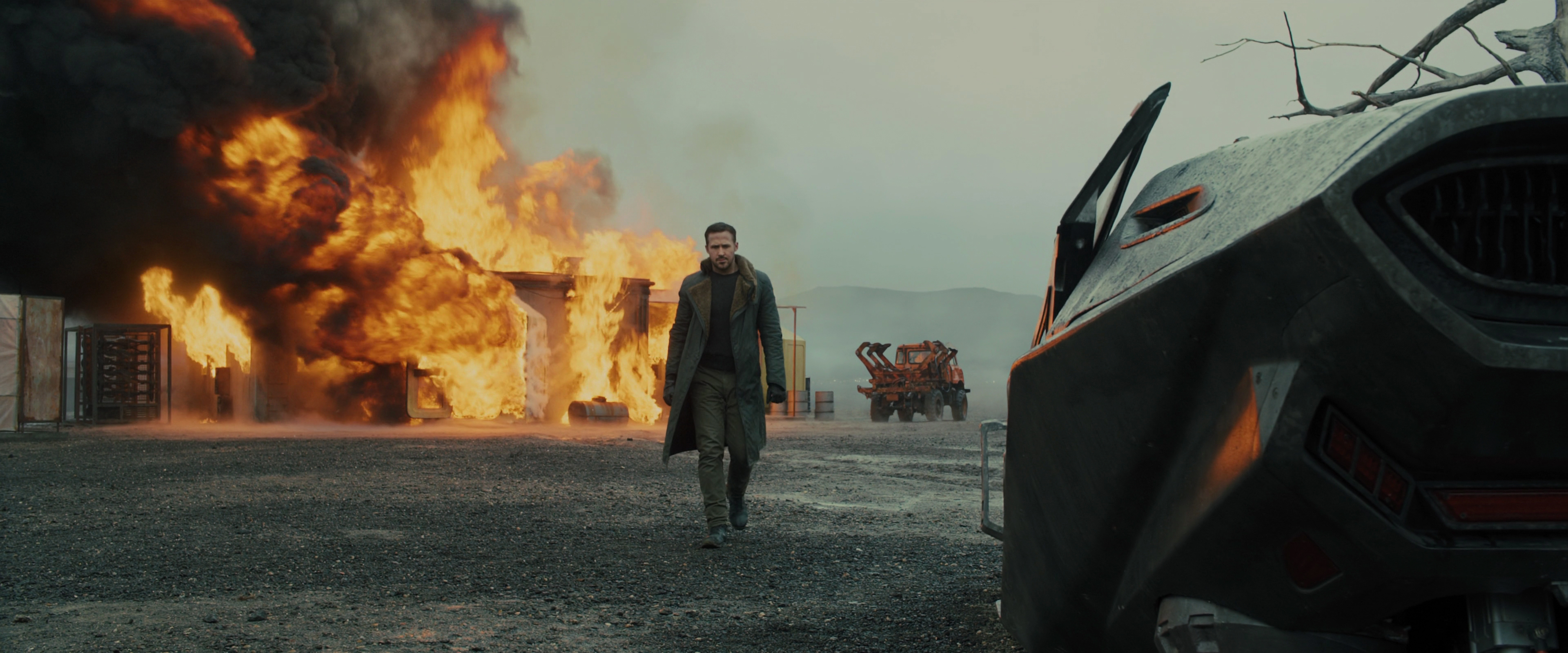
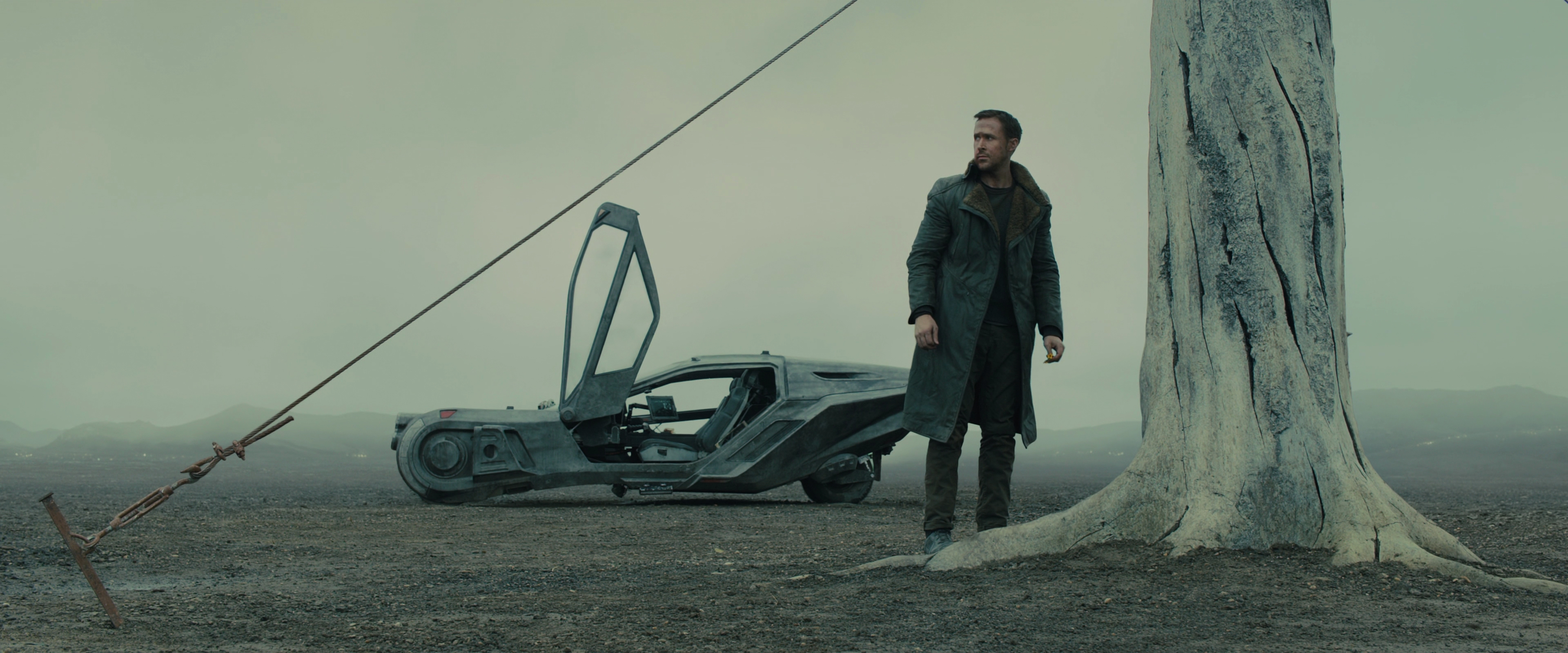
Character Name: KD6-3.7, or K
Canon: Blade Runner
Canon Point: After his handler, Lieutenant Joshi, leaves his apartment.
Age: Chronologically only a few months old, physically and cognitively an adult.
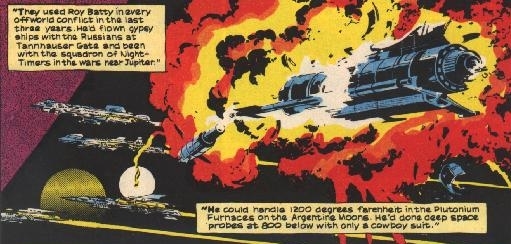
History: Do Androids Dream of Electric Sheep?, the novel which was the inspiration for Blade Runner and Blade Runner 2049. Here's a full timeline, and K's personal history. Note that while aspects of Blade Runner have been featured in the Alien franchise and vice versa (because of Ridley Scott), they mainly constitute easter eggs. The two timelines don't line up perfectly, so they may or may not actually take place within the same universe; either way I'm not going to detail the entire history/timeline of the Alien universe since it has no bearing on K or his history anyway.
And since there isn't a place to list species, I'll just mention that "replicant" is the in-universe term for an android and essentially a brand name for androids manufactured by Tyrell/Wallace Corp, but the terms can be used interchangeably. (I tend to favour using "android" for the sake of those who aren't canon familiar.)
Is this character an AU? What type?: No.
AU History: Feel free to delete if not applicable.
Personality: Outwardly K appears stoic and unemotive, behaving almost robotically, if you will. He isn't especially reactive in general and is able to maintain a sense of equanimity and single-minded focus even during tense situations, acting decisively. A prime example of this is shown in canon: when his aircraft is in the process of crashing, he doesn't panic or give into fear, but calmly prepares the aircraft and himself for the impact. This demeanour is arguably as much the result of his programming as it is his personality. In his case, they may be one and the same.
The societally accepted treatment of replicants is characterised by violence, degradation, depersonalisation, and enslavement, treatment which even K's human co-workers within the Los Angeles Police Department subject him to. So constant is this abuse that despite having only been alive for a few months, K has already grown inured to it and endures it without complaint, while the stranglehold of his programming strictly inhibits retaliation. He accepts it as simply being what life is for a replicant and knows that trying to buck the status quo can and often does lead to even more severe consequences. Humans despise him for being a replicant, while other replicants ostracise him for being a blade runner — a specialised officer tasked with hunting down rogue replicants — the duty for which he was designed. In this world he's an outcast even amongst outcasts, with his worth being wholly measured by how he can be used and what can be taken from him.
His sole source of companionship is provided by his holographic companion AI, Joi, whom he's shown to be emotionally attached to; she's the only individual he ever expresses his feelings to or confides in. Though they're unable to physically interact, he enjoys many of the trappings of a typical romantic relationship with her, while being aware of the fact she's bound by her programming and isn't capable of having genuine feelings for him. But, then, he isn't sure he's even capable of genuine emotions himself, and as he tells her: she's real to him. That's enough. Joi's appearance and voice are customisable to suit the preferences of her user, but as one of the advertisements for her model reveals, K's Joi remains in her default state, indicating his lack of preferences. It's a small detail, but very telling. K is just as much a product and commodity as she is, likewise limited by the constraints of his programming. But in spite of everything, he approaches Joi as a real person and encourages her to consider her own preferences and desires and motivations rather than existing to be a reflection of his; he attempts to provide her with a type of freedom that he's unlikely to ever have himself.
While his devotion to Joi is by choice, his inherent loyalty and absolute obedience to his superior officer and owner within the LAPD, Lieutenant Joshi, are the result of his programming. He's incapable of lying to her for the same reason. They share a cordially professional relationship and at times she seems almost fond of him, to the point where on at least one occasion she subtly propositions him. Though she'd be fully within her rights simply ordering him to accept her advances, she doesn't, and accepts his answer when he rebuffs her — but with an attitude that suggests she isn't pleased about her property rejecting her. It's noteworthy as being one of the few (possibly only) times K's been allowed anything approaching a choice in his interactions with humans.
His concept of morality and what constitutes "right" and "wrong" is somewhat rudimentary due to his being an android designed for obedience. It just doesn't occur to him to question why he's ordered to do what he does, because he's been designed that way; his own wants and feelings are irrelevant. But he doesn't relish the duty he's forced to carry out, that of hunting down and killing his own kind — though he doesn't actually consider these earlier models his own kind, a distinction that only really exists to enable him to fulfill his duties without incurring cognitive dissonance or mental instability. The act of killing other replicants isn't even referred to by that term, but by the more palatable "retirement", coined by humans. Because they aren't viewed or legally recognised as people, they're merely tools made to serve humanity and meant to be disposed of at their discretion. Displaying any indication that they may be developing free will is a virtually guaranteed death sentence and K himself regularly undergoes mandatory testing to ensure he's operating as intended. This is all such a fundamental doctrine of the world K's from that he doesn't believe he's a person, either, and it influences his limited spiritual beliefs — that only humans are capable of possessing souls ("to be born is to have a soul, I guess"), not replicants.
His greatest insecurity is without a doubt the fact he's an artificially created being with false memory implants that leave him uncertain whether even his emotional responses are real, or if they're just a product of his programming like everything else about him. He's only recently been discovering his own preferences: he helps himself to an alcoholic drink after a rough day at work (despite alcohol having no effect on replicants), appreciates old jazz music, and likes reading, especially to Joi; Pale Fire is his favourite book. He enjoys dancing, poetry, things that seem incongruous with what he was designed to be, to do — and thus potentially dangerous. And yet his ability to even have preferences is significant to him, making him feel a little more like an actual person, even if only within the privacy of his own mind.
Powers and Abilities: Pretty much what you'd expect an android programmed for law enforcement and investigation to be good at. He's proficient in multiple forms of armed and unarmed combat, has keen observational skills, strong deductive reasoning, high intelligence, and perfect recall. He can interface with other technology. He's very self-sufficient by design and has a broad general knowledge courtesy of his programming. Replicant intelligence is said to be equal to that of the scientists who created them — he learns at a greatly accelerated rate (moreover, he enjoys learning) and is shown to understand every spoken/written language he encounters, so was presumably programmed to already know quite a few. Unsurprising, given the broad linguistic landscape of the version of Los Angeles he's from.
As a Nexus-9 android optimised for combat and law enforcement, this means many of his physical abilities are essentially at a superhuman level. His strength, reflexes, agility, endurance, resilience, combat expertise, marksmanship, and eyesight are all enhanced. He's also capable of seeing in the dark unassisted.
He heals faster and with fewer complications than a human would. He can withstand considerably more damage than a human (such as being impaled by rebar then beaten almost to death by another Nexus-9 and being on his feet again within days), and any scarring eventually heals completely. He's immune to illness and disease and won't develop infections. He can survive much harsher conditions than the average human, such as the fallout from a dirty bomb and deep space without protective gear, without suffering ill effects. But he can still die from enough direct damage. Replicants are biorobotic androids.
He's subject to the laws of robotics as they exist in his canon, meaning he can't intentionally harm humans except in cases where his orders supersede the preservation of human life. But his obedience functions a bit differently from what's stated by the laws — he will only feel fully compelled to obey orders issued by those he recognises as his superior officers/handlers/owners. He isn't able to directly disobey them, though he can get "creative" in how he carries out their orders when needed.
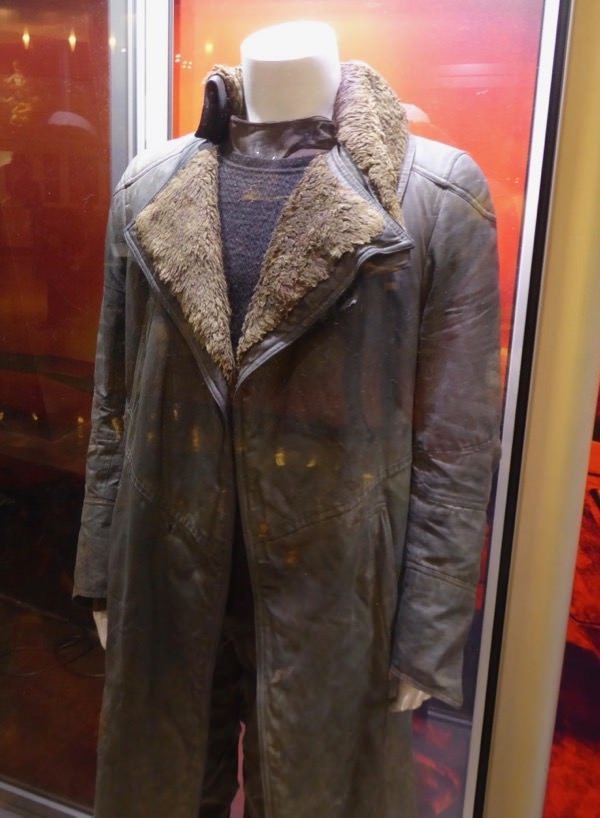
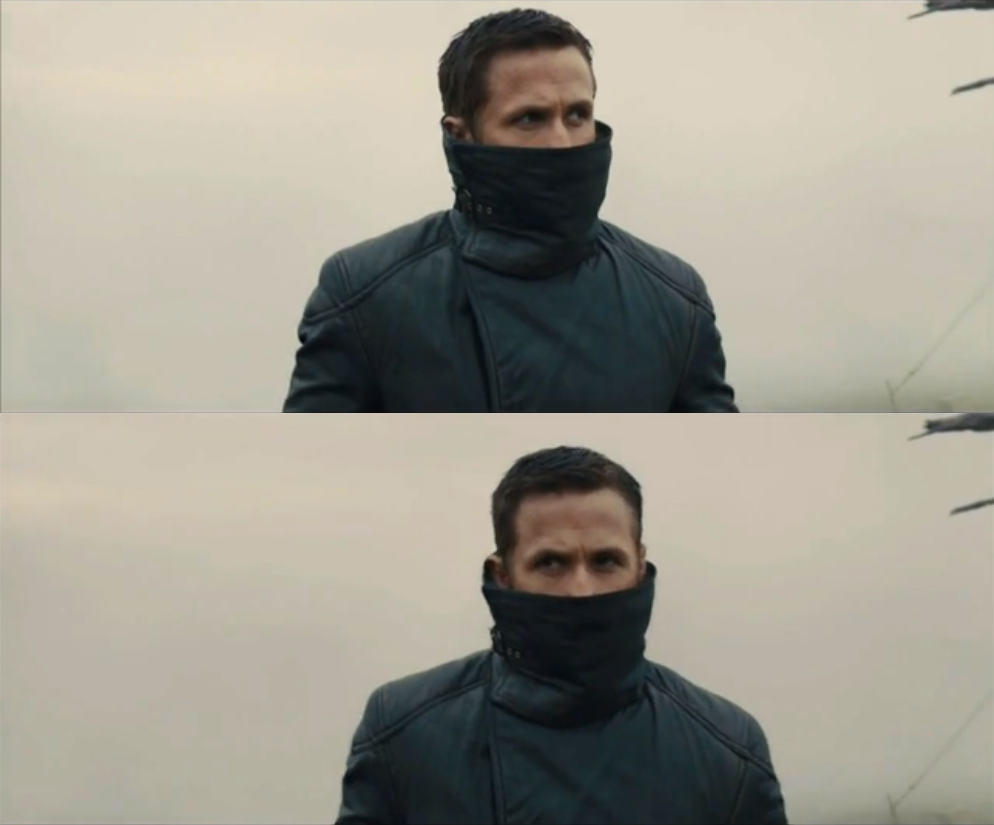
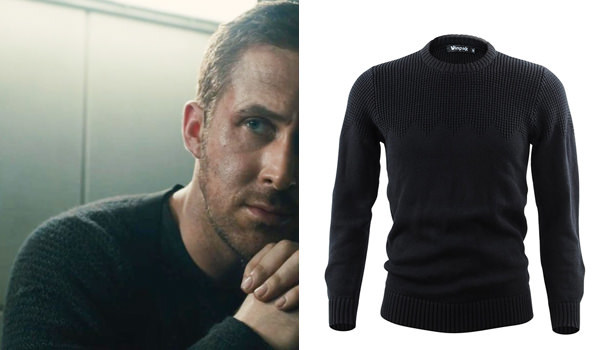
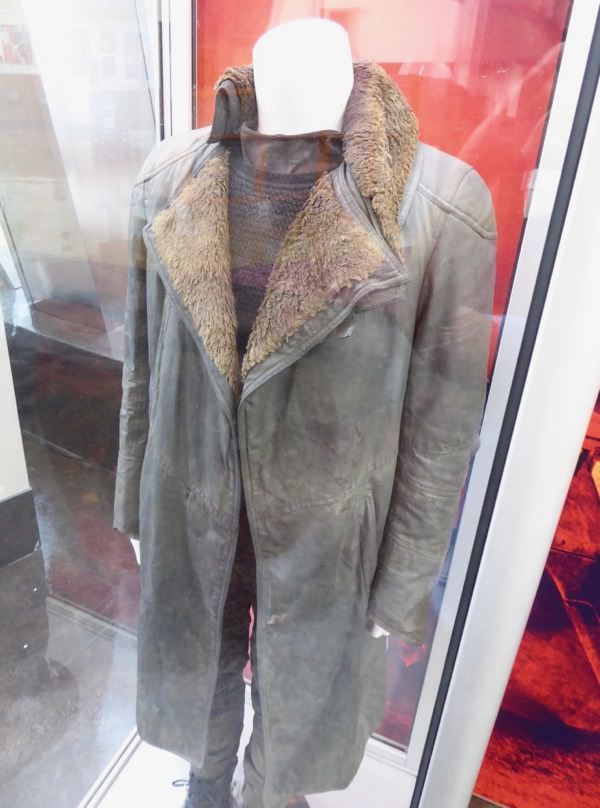
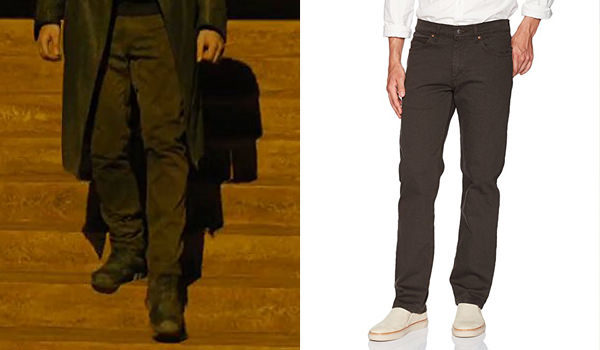
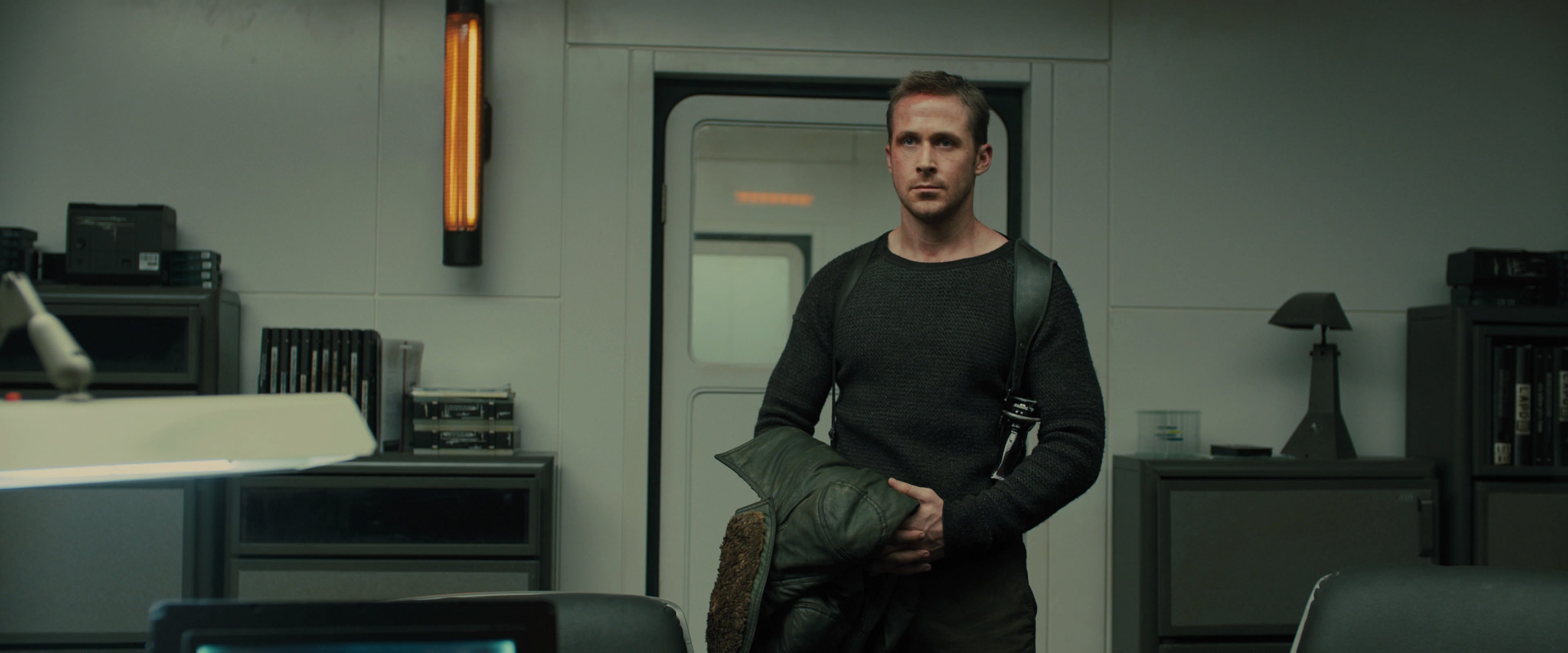
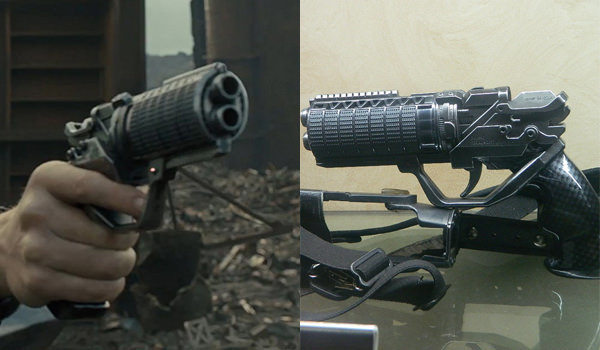
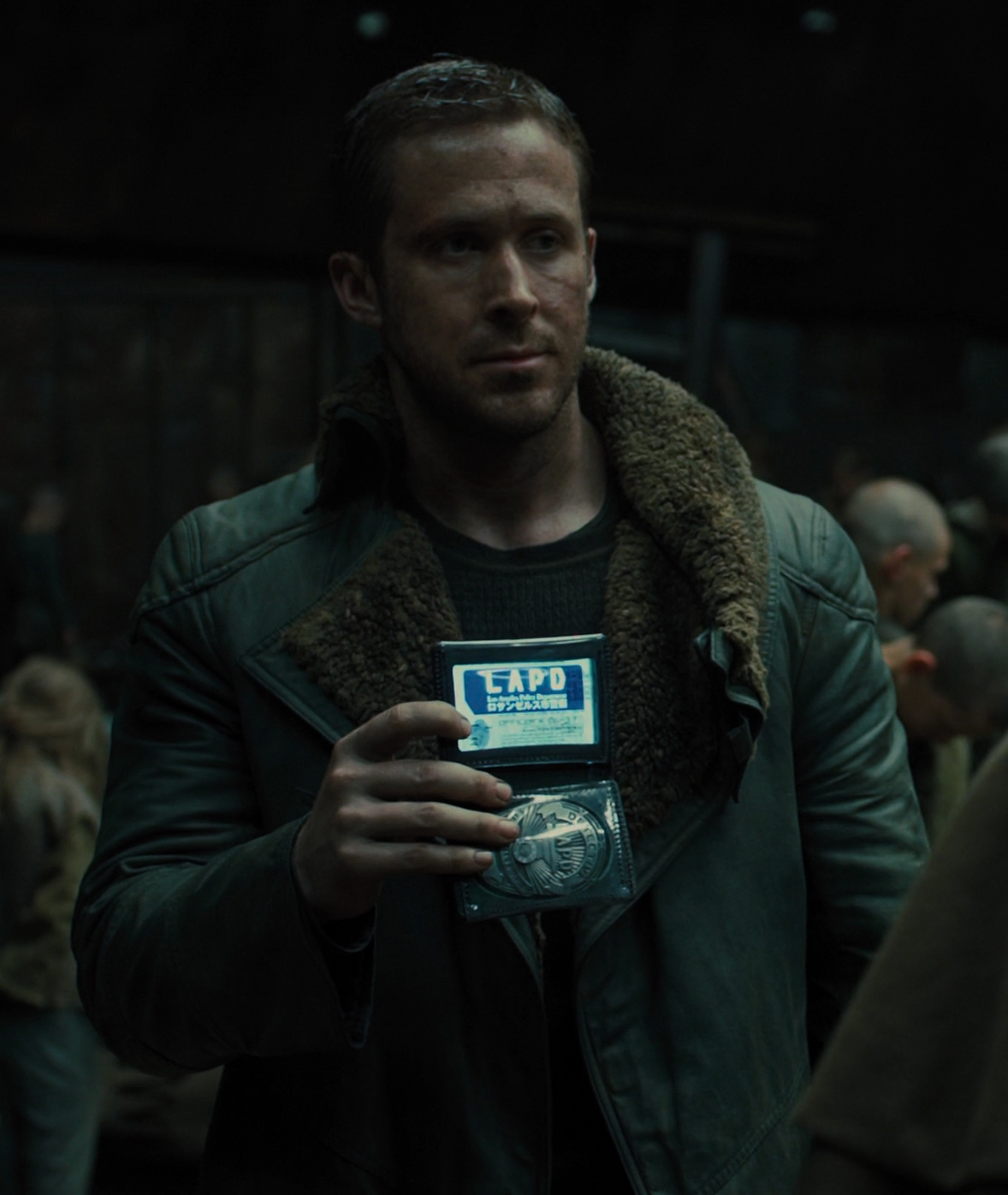
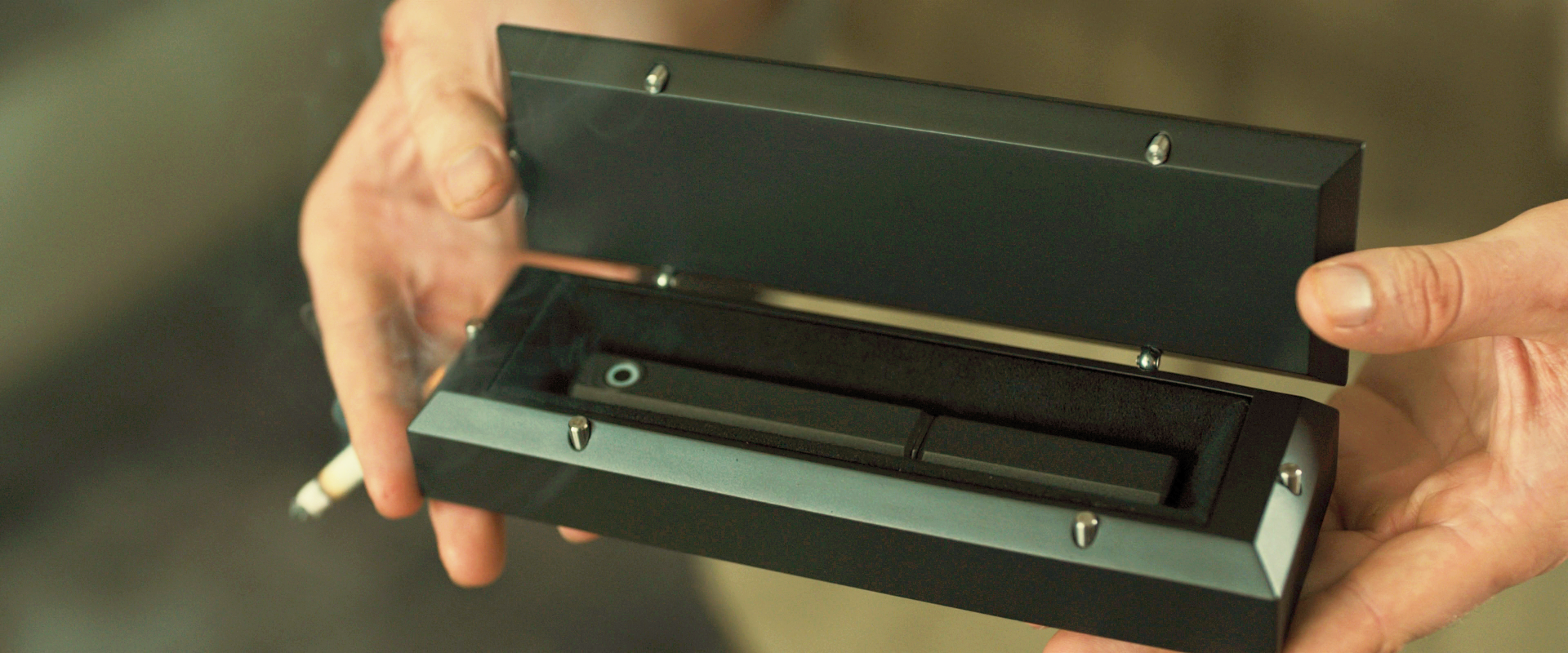
Inventory: His clothes (full reference) which consist of his dark green laminated cotton coat with faux shearling collar (that's actually functional), a knit long-sleeve black jumper with a black shirt underneath, sleeveless undershirt, straight cut dark brown pants, black boxer-briefs, black tactical boots, a modified shoulder holster (based on Safariland 1090), where he carries his blaster gun. He also carries with him his LAPD badge and ID, Joi's emanator, a portable optic scanner used for identifying androids (which I believe is also K's Knowledge Integration Assistant unit), and a pair of black gloves.
Sample: From the TDM: threads with Jayce and Viktor.
When presented with a choice, is the character more likely to stick with tried and true methods? Or make something new up on the fly? K relies on past experience and his programming to inform his choices. Though it isn't often that he's even allowed to make choices for himself and he's still a baby AI, so as he grows more as a person and develops a stronger sense of self, I think the latter will become easier for him.
What is more important to your character, preserving the past or forging a future? K's human masters would have him maintain the status quo, as he was designed to do, but when freed of their influence, he's shown to be more interested in forging a future. Though maybe not necessarily for himself; he ultimately sacrifices himself in order to secure a future for other characters in his canon.
How does your character influence their own story? What about the stories of others? For most of K's canon, events are happening to him and it's only toward the end that he's developed enough autonomy to choose for himself and have some control over what happens to him. So while he may be the main protagonist of the movie, he has limited influence over his own story, though his choices and actions do eventually have a significant impact upon other characters' stories.
Are you alright with your character’s canon being used as a Recommended Reading?: I largely prefer to avoid breaking the fourth wall and K has enough existential crises to contend with, so for the time being I'm going to opt out of my character's canon being used for this.
[ Main Navigation ]
Player Contact(s):
Are you over 18? Yes.
Do you have any other characters in game?: No.
Who invited you?: NA.
Character Name: KD6-3.7, or K
Canon: Blade Runner
Canon Point: After his handler, Lieutenant Joshi, leaves his apartment.
Age: Chronologically only a few months old, physically and cognitively an adult.
History: Do Androids Dream of Electric Sheep?, the novel which was the inspiration for Blade Runner and Blade Runner 2049. Here's a full timeline, and K's personal history. Note that while aspects of Blade Runner have been featured in the Alien franchise and vice versa (because of Ridley Scott), they mainly constitute easter eggs. The two timelines don't line up perfectly, so they may or may not actually take place within the same universe; either way I'm not going to detail the entire history/timeline of the Alien universe since it has no bearing on K or his history anyway.
And since there isn't a place to list species, I'll just mention that "replicant" is the in-universe term for an android and essentially a brand name for androids manufactured by Tyrell/Wallace Corp, but the terms can be used interchangeably. (I tend to favour using "android" for the sake of those who aren't canon familiar.)
Is this character an AU? What type?: No.
AU History: Feel free to delete if not applicable.
Personality: Outwardly K appears stoic and unemotive, behaving almost robotically, if you will. He isn't especially reactive in general and is able to maintain a sense of equanimity and single-minded focus even during tense situations, acting decisively. A prime example of this is shown in canon: when his aircraft is in the process of crashing, he doesn't panic or give into fear, but calmly prepares the aircraft and himself for the impact. This demeanour is arguably as much the result of his programming as it is his personality. In his case, they may be one and the same.
The societally accepted treatment of replicants is characterised by violence, degradation, depersonalisation, and enslavement, treatment which even K's human co-workers within the Los Angeles Police Department subject him to. So constant is this abuse that despite having only been alive for a few months, K has already grown inured to it and endures it without complaint, while the stranglehold of his programming strictly inhibits retaliation. He accepts it as simply being what life is for a replicant and knows that trying to buck the status quo can and often does lead to even more severe consequences. Humans despise him for being a replicant, while other replicants ostracise him for being a blade runner — a specialised officer tasked with hunting down rogue replicants — the duty for which he was designed. In this world he's an outcast even amongst outcasts, with his worth being wholly measured by how he can be used and what can be taken from him.
His sole source of companionship is provided by his holographic companion AI, Joi, whom he's shown to be emotionally attached to; she's the only individual he ever expresses his feelings to or confides in. Though they're unable to physically interact, he enjoys many of the trappings of a typical romantic relationship with her, while being aware of the fact she's bound by her programming and isn't capable of having genuine feelings for him. But, then, he isn't sure he's even capable of genuine emotions himself, and as he tells her: she's real to him. That's enough. Joi's appearance and voice are customisable to suit the preferences of her user, but as one of the advertisements for her model reveals, K's Joi remains in her default state, indicating his lack of preferences. It's a small detail, but very telling. K is just as much a product and commodity as she is, likewise limited by the constraints of his programming. But in spite of everything, he approaches Joi as a real person and encourages her to consider her own preferences and desires and motivations rather than existing to be a reflection of his; he attempts to provide her with a type of freedom that he's unlikely to ever have himself.
While his devotion to Joi is by choice, his inherent loyalty and absolute obedience to his superior officer and owner within the LAPD, Lieutenant Joshi, are the result of his programming. He's incapable of lying to her for the same reason. They share a cordially professional relationship and at times she seems almost fond of him, to the point where on at least one occasion she subtly propositions him. Though she'd be fully within her rights simply ordering him to accept her advances, she doesn't, and accepts his answer when he rebuffs her — but with an attitude that suggests she isn't pleased about her property rejecting her. It's noteworthy as being one of the few (possibly only) times K's been allowed anything approaching a choice in his interactions with humans.
His concept of morality and what constitutes "right" and "wrong" is somewhat rudimentary due to his being an android designed for obedience. It just doesn't occur to him to question why he's ordered to do what he does, because he's been designed that way; his own wants and feelings are irrelevant. But he doesn't relish the duty he's forced to carry out, that of hunting down and killing his own kind — though he doesn't actually consider these earlier models his own kind, a distinction that only really exists to enable him to fulfill his duties without incurring cognitive dissonance or mental instability. The act of killing other replicants isn't even referred to by that term, but by the more palatable "retirement", coined by humans. Because they aren't viewed or legally recognised as people, they're merely tools made to serve humanity and meant to be disposed of at their discretion. Displaying any indication that they may be developing free will is a virtually guaranteed death sentence and K himself regularly undergoes mandatory testing to ensure he's operating as intended. This is all such a fundamental doctrine of the world K's from that he doesn't believe he's a person, either, and it influences his limited spiritual beliefs — that only humans are capable of possessing souls ("to be born is to have a soul, I guess"), not replicants.
His greatest insecurity is without a doubt the fact he's an artificially created being with false memory implants that leave him uncertain whether even his emotional responses are real, or if they're just a product of his programming like everything else about him. He's only recently been discovering his own preferences: he helps himself to an alcoholic drink after a rough day at work (despite alcohol having no effect on replicants), appreciates old jazz music, and likes reading, especially to Joi; Pale Fire is his favourite book. He enjoys dancing, poetry, things that seem incongruous with what he was designed to be, to do — and thus potentially dangerous. And yet his ability to even have preferences is significant to him, making him feel a little more like an actual person, even if only within the privacy of his own mind.
Powers and Abilities: Pretty much what you'd expect an android programmed for law enforcement and investigation to be good at. He's proficient in multiple forms of armed and unarmed combat, has keen observational skills, strong deductive reasoning, high intelligence, and perfect recall. He can interface with other technology. He's very self-sufficient by design and has a broad general knowledge courtesy of his programming. Replicant intelligence is said to be equal to that of the scientists who created them — he learns at a greatly accelerated rate (moreover, he enjoys learning) and is shown to understand every spoken/written language he encounters, so was presumably programmed to already know quite a few. Unsurprising, given the broad linguistic landscape of the version of Los Angeles he's from.
As a Nexus-9 android optimised for combat and law enforcement, this means many of his physical abilities are essentially at a superhuman level. His strength, reflexes, agility, endurance, resilience, combat expertise, marksmanship, and eyesight are all enhanced. He's also capable of seeing in the dark unassisted.
He heals faster and with fewer complications than a human would. He can withstand considerably more damage than a human (such as being impaled by rebar then beaten almost to death by another Nexus-9 and being on his feet again within days), and any scarring eventually heals completely. He's immune to illness and disease and won't develop infections. He can survive much harsher conditions than the average human, such as the fallout from a dirty bomb and deep space without protective gear, without suffering ill effects. But he can still die from enough direct damage. Replicants are biorobotic androids.
He's subject to the laws of robotics as they exist in his canon, meaning he can't intentionally harm humans except in cases where his orders supersede the preservation of human life. But his obedience functions a bit differently from what's stated by the laws — he will only feel fully compelled to obey orders issued by those he recognises as his superior officers/handlers/owners. He isn't able to directly disobey them, though he can get "creative" in how he carries out their orders when needed.
Inventory: His clothes (full reference) which consist of his dark green laminated cotton coat with faux shearling collar (that's actually functional), a knit long-sleeve black jumper with a black shirt underneath, sleeveless undershirt, straight cut dark brown pants, black boxer-briefs, black tactical boots, a modified shoulder holster (based on Safariland 1090), where he carries his blaster gun. He also carries with him his LAPD badge and ID, Joi's emanator, a portable optic scanner used for identifying androids (which I believe is also K's Knowledge Integration Assistant unit), and a pair of black gloves.
Sample: From the TDM: threads with Jayce and Viktor.
When presented with a choice, is the character more likely to stick with tried and true methods? Or make something new up on the fly? K relies on past experience and his programming to inform his choices. Though it isn't often that he's even allowed to make choices for himself and he's still a baby AI, so as he grows more as a person and develops a stronger sense of self, I think the latter will become easier for him.
What is more important to your character, preserving the past or forging a future? K's human masters would have him maintain the status quo, as he was designed to do, but when freed of their influence, he's shown to be more interested in forging a future. Though maybe not necessarily for himself; he ultimately sacrifices himself in order to secure a future for other characters in his canon.
How does your character influence their own story? What about the stories of others? For most of K's canon, events are happening to him and it's only toward the end that he's developed enough autonomy to choose for himself and have some control over what happens to him. So while he may be the main protagonist of the movie, he has limited influence over his own story, though his choices and actions do eventually have a significant impact upon other characters' stories.
Are you alright with your character’s canon being used as a Recommended Reading?: I largely prefer to avoid breaking the fourth wall and K has enough existential crises to contend with, so for the time being I'm going to opt out of my character's canon being used for this.